1. Keep Your Lenses Moist
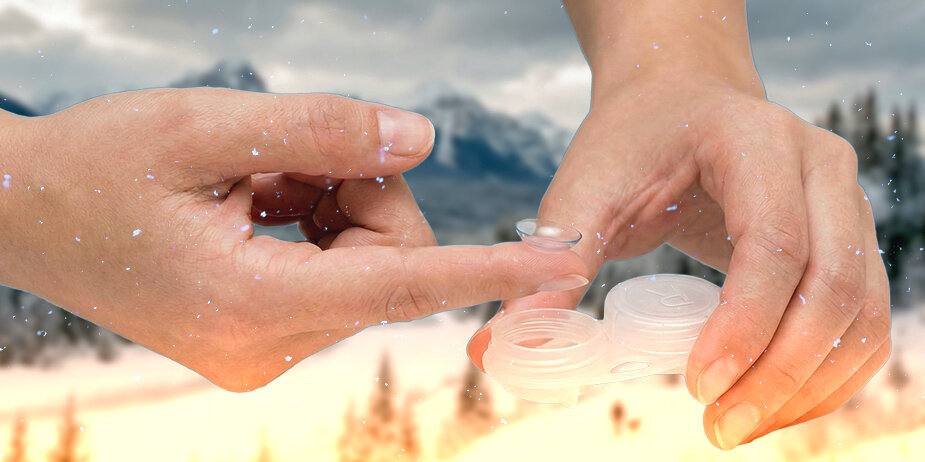
As always, you should soak your lenses in contact lens solution for at least two hours once you open them, no matter if they are daily or reusable lenses. The solution they are stored in is stronger, and therefore harsher on the eyes. It can cause irritation if you put your contact lenses in straight out of the packet. Soaking your lenses thoroughly before you wear them not only helps remove any leftover container solution but also softens the lenses, making it easier when it comes to inserting them. In winter, it’s important to make sure that not only your eyes are hydrated, but your lenses are too.
2. Keep Your Eyes Hydrated
You may have noticed your eyes feeling dry or tight even without lenses in the winter; this can be caused by cold winds and dry air outside, and a high thermostat inside. That’s right; warm temperatures can also cause your eyes to dry out. This is because environments with low humidity lead to higher tear evaporation, preventing your eyes from remaining moisturised. Try to keep the air in your home circulating, and avoid cranking the heating too high to help avoid causing irritation in your own home.
3. Avoid Wearing Your Lenses For Long Periods
Potentially easier said than done; however, wearing your lenses for a shorter period will help to avoid irritation if your eyes are drying out quicker than usual this season. As mentioned above, dry conditions can lead to irritated eyes, which can be exacerbated by wearing lenses. Where possible, we recommend wearing lenses for a shorter period. We never recommend wearing lenses for more than 8 hours, as this can cause discomfort.
4. Wear Your Lenses in Well-Lit Areas
Avoid straining or irritating your eyes by keeping your home well-lit, or ensure you’re only wearing your lenses in brightly lit areas. As your eyes may already be feeling sensitive or uncomfortable due to the conditions, it’s best to circumvent causing any additional discomfort by only wearing your lenses in illuminated areas.
5. Reduce Your Screen Time
As you likely already know, staring at a screen for hours can fatigue your eyes, causing them to feel dry and strained. As such, it’s best to avoid staring at digital screens for long periods when wearing contact lenses.
6. Avoid Touching Your Eyes And Lenses
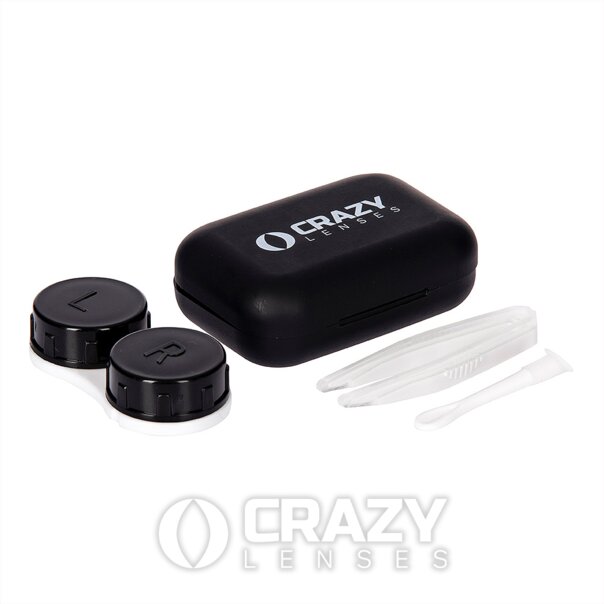
We always recommend washing and then drying your hands thoroughly before touching your eyes to avoid introducing any germs or contaminants when wearing or handling contact lenses. As your eyes may already be feeling strained by the seasonal changes, it’s certainly best to avoid touching them or your lenses during wear. Why not try out our helpful contact lens inserters to ensure you don’t unnecessarily touch your lenses?
These are our six top tips to try and help alleviate any potential irritation when wearing contact lenses in the winter. Now, we’re going to recommend how you should go about selecting the best contact lenses for you in the colder months.
Natural contact lenses are typically thinner than costume lenses, as they often have a lower opacity, meaning that there is less pigment printed onto the lenses. Whilst thin contact lenses are also normally softer, which some find makes them more comfortable to wear, they also hold less of their own water content; they rely on moisture from the eye, which may be difficult in dry conditions.
However, thin contact lenses also allow more oxygen to pass through them to the eye, forming a less rigid barrier. This ‘breathability’ is why many also find daily contact lenses more comfortable than monthly contact lenses. Reusable contact lenses are also thicker, as they need to be more durable than disposable contact lenses.
So, to give you the TLDR, monthly or costume lenses are typically thicker, but have a higher water content. Thinner lenses are sometimes softer, and they are more breathable, which is better for being worn during long periods, but they often have a much lower water content. It’s worth taking this information into consideration alongside our six top tips for wearing contact lenses in the winter to ensure that you select the best lenses for you.
Overall, wearing contact lenses in the winter isn’t that different to wearing lenses at any other point in the year. As long as you avoid overly touching your eye and lenses, and ensure you keep your eyes and lenses hydrated, we doubt you’ll notice a difference! If you do start to experience discomfort or irritation, always take your lenses out right away.
If you have any further questions, please don’t hesitate to get in touch with our customer service team!